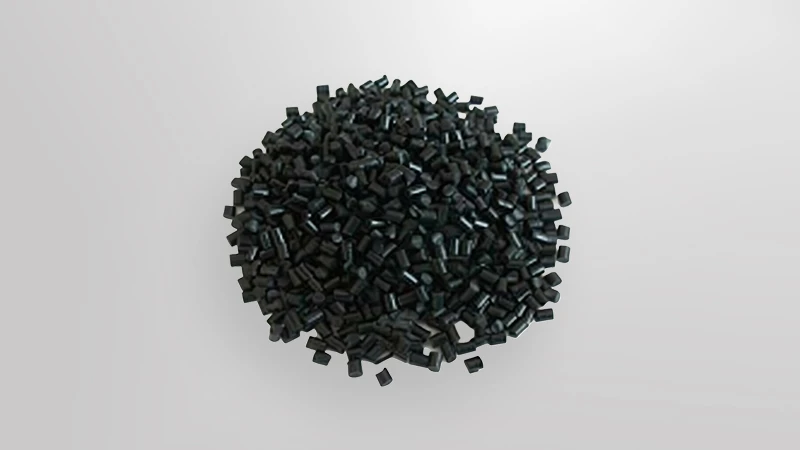
Polymer materials consist of large molecules formed from repeating structural units and are widely used in construction, power systems, chemical processing, transportation, electronics, healthcare, and everyday products. Their properties vary considerably depending on molecular structure, chemical composition, and processing methods. As material technology continues to advance, polymers have expanded beyond conventional plastics into engineering components, functional products, and high-performance composite systems.
Versatile molecular structures are one of the defining characteristics of polymer materials. Differences in molecular chain architecture, polymerization methods, and formulation can significantly influence properties such as strength, toughness, thermal resistance, and chemical resistance. This flexibility allows polymer systems to be formulated and modified for specific applications and operating environments.
Low density and lightweight construction are also common advantages of many polymers. Compared with certain conventional metals, polymer materials can achieve lower weight while providing the performance required for a particular application. This characteristic creates opportunities in transportation equipment, building components, industrial products, and packaging, where reducing overall weight can be beneficial.
Chemical and corrosion resistance is an important characteristic of many engineering polymers. Selected polymer systems can maintain stable performance when exposed to moisture and certain acidic, alkaline, or chemical environments. As a result, they can be used in chemical equipment, piping systems, storage facilities, and environmental engineering projects. However, chemical resistance varies significantly between polymer types, so material selection should be based on the specific chemicals, concentrations, temperatures, and service conditions involved.
Another important feature is good processing versatility. Polymer materials can be manufactured using processes such as injection molding, extrusion, compression molding, and pultrusion. These techniques can produce sheets, pipes, profiles, films, and components with complex geometries while supporting different dimensional and production requirements.
Many polymer systems also provide useful electrical insulation properties, making them suitable for electrical equipment, cable accessories, and electronic components. In addition, reinforcing fibers, flame-retardant additives, UV stabilizers, and other functional additives can be incorporated into selected formulations to improve properties such as mechanical strength, flame resistance, weatherability, and durability.
Overall, polymer materials are characterized by their highly tunable molecular structures, relatively low weight, processing flexibility, and broad range of functional properties. Continued advances in polymerization, material modification, and composite technology are expected to expand their role in specialized engineering applications and provide more material options for modern industry and construction.